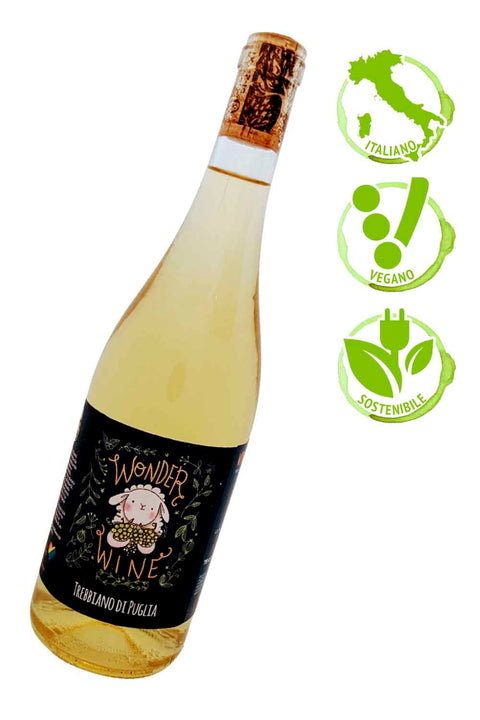
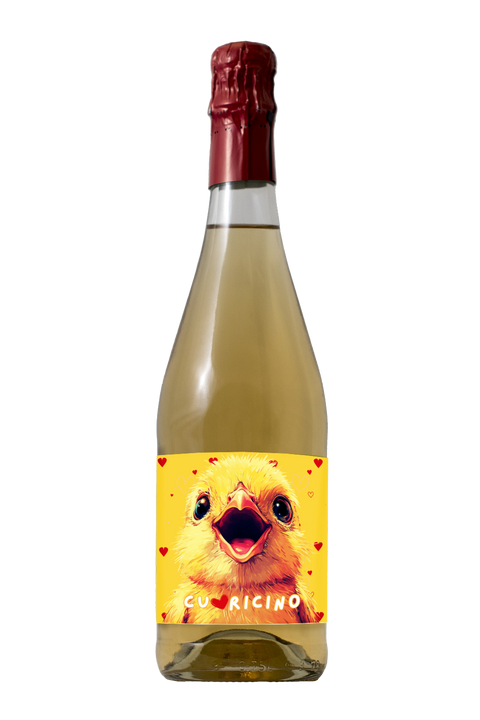
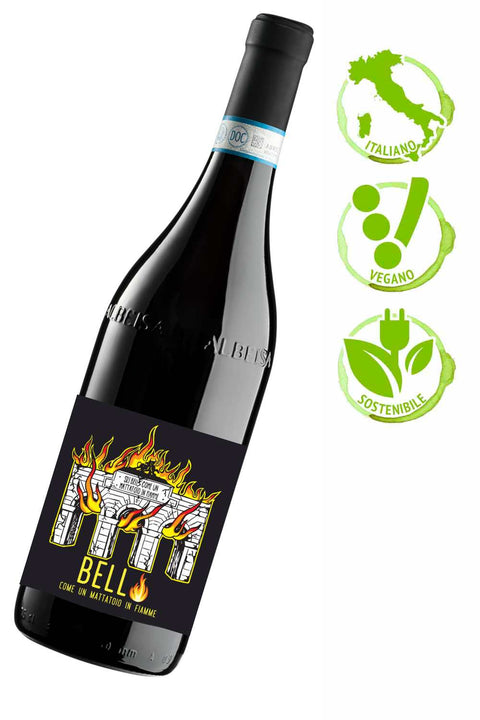
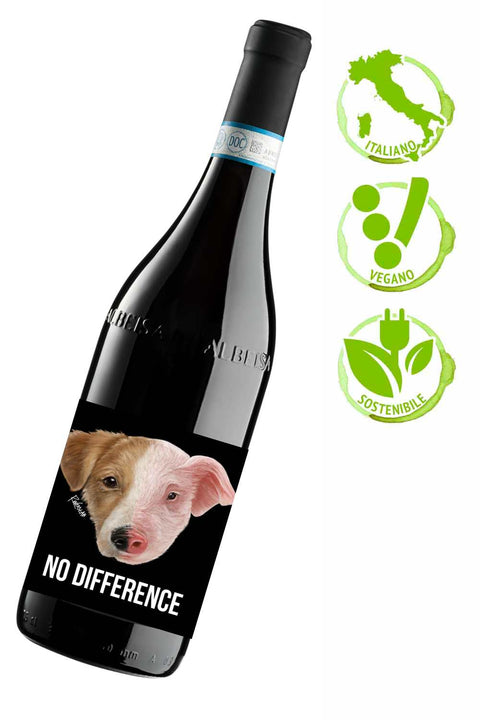
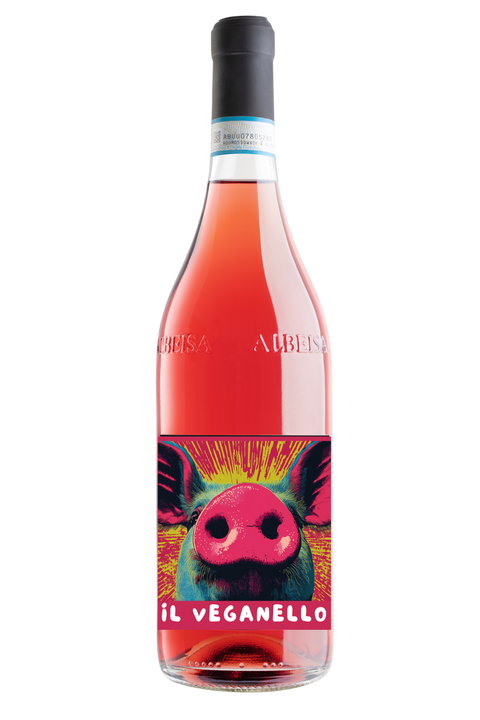
Discovering the Differences
Vegan wine and kombucha are both fermented products, but they differ significantly in ingredients, fermentation processes, final results, and even cultural and nutritional values. Let's explore the main differences, with a particular focus on the fermentation process.
Basic Ingredients
Wine: produced from grape juice (or other types of fruit, but true wine is made from grapes).
Kombucha: produced from sweetened tea (usually black or green tea) to which a "starter" called SCOBY (Symbiotic Culture Of Bacteria and Yeast) is added.
Type of Fermentation
Wine: fermentation is primarily alcoholic. Yeasts (Saccharomyces cerevisiae) convert grape sugars into ethyl alcohol and carbon dioxide.
> Primary fermentation: lasts from a few days to a few weeks.
> Malolactic fermentation (optional): some wines, especially reds, undergo a second fermentation, where lactic acid bacteria convert malic acid into lactic acid, making the wine smoother.
Kombucha: fermentation is symbiotic between yeasts and bacteria.
> Phase 1: The yeasts in the SCOBY convert some of the sugars into alcohol.
> Phase 2: Acetic acid bacteria transform alcohol and other compounds into organic acids (acetic acid, gluconic acid, lactic acid, etc.), producing the typical acidity and a low alcohol content (<1%).
> The process usually takes 7-14 days at room temperature.
Final Result
Wine:
> Alcoholic beverage (usually between 10% and 15% vol).
> Complex aromatic profile, linked to climate, soil, grape variety, and winemaking techniques.
> No significant presence of live probiotics (alcohol eliminates them).
> Long shelf life.
Kombucha:
> Slightly alcoholic beverage (<1% vol, therefore considered non-alcoholic).
> Tart, sparkling taste, sometimes slightly sweet, can be flavored with fruit, spices, herbs.
> Rich in live probiotics (beneficial bacteria and yeasts).
> Shorter shelf life, to be stored in the refrigerator.
Nutritional and Functional Aspects
Wine:
> Source of polyphenols and antioxidants (especially red wine).
> Alcohol is the main factor to consider in terms of health.
Kombucha:
> Alcohol-free (or almost), rich in organic acids, probiotics, B vitamins, antioxidants.
> Functional beverage, often associated with benefits for digestion and gut microbiota.
Ethical and Sustainable Approach
Both can be organic, vegan, and sustainable, but the cultural context is different: wine has a millennial tradition, while kombucha is more recent in Europe and more linked to the concept of well-being.
In summary:
> Wine is born from alcoholic fermentation of grapes, producing alcohol and complex aromas.
> Kombucha is born from a double fermentation (yeasts + bacteria) of sweetened tea, producing organic acids, little carbon dioxide, very little alcohol, and many probiotics.
Vegan Wine: Main Benefits
> Polyphenols and antioxidants: Wine, especially red wine, is rich in polyphenols (such as resveratrol) which have antioxidant properties. These compounds can help reduce oxidative stress and protect the cardiovascular system.
> Cardioprotective effect: Moderate wine consumption has been associated with a lower risk of cardiovascular disease, thanks to antioxidants that promote blood vessel health and help regulate cholesterol.
> Anti-inflammatory action: Some compounds in wine may have an anti-inflammatory effect.
> Social and sensory pleasure: Wine plays an important role in conviviality, palate pleasure, and Mediterranean food culture.
> Organic/vegan wine: In addition to the aforementioned benefits, organic and vegan wine avoids pesticide residues, chemical additives, and animal products, making it more ethical and often more digestible.
WARNING: do not listen to what "certain italian politicians" say 🤣 The benefits are only achieved with moderate consumption (1 glass per day for women, 2 for men). Alcohol, if consumed in excess, is harmful to the liver, brain, heart and increases the risk of cancer.
Kombucha: Main Benefits
> Live probiotics: Thanks to symbiotic fermentation, kombucha contains live bacteria and yeasts that promote the balance of intestinal flora (microbiota), improving digestion, nutrient absorption and immune defenses.
> Organic acids: It produces acetic, gluconic, lactic, and other compounds that can help regulate intestinal pH and have antimicrobial effects.
> Antioxidants: The base tea (especially green) is already rich in polyphenols, which are maintained and sometimes enhanced by fermentation.
> Low sugar and calorie content: During fermentation, much of the sugar is consumed by microorganisms, leaving a light and refreshing beverage.
> Alcohol-free (or almost): The alcohol content is minimal (<1%), so it can be safely consumed even by those who do not want or cannot drink alcohol.
> Vegan and natural: If produced with organic ingredients and without additives, it is a perfect choice for those who follow an ethical and sustainable lifestyle.
Warning: not all commercial kombuchas still contain live probiotics (some are pasteurized). Those with particular conditions (such as immunodeficiency) should consult their doctor before consuming fermented beverages. Excessive consumption can cause gastrointestinal upset in sensitive individuals.
Direct Comparison
|
Aspect |
Vegan Wine |
Kombucha |
|
Alcohol |
10-15% |
<1% |
|
Probiotics |
No |
Yes (if not pasteurized) |
|
Antioxidants |
Yes (polyphenols) |
Yes (tea polyphenols, organic acids) |
|
Heart Effects |
Cardioprotective (moderate) |
Possible indirect support |
|
Digestive Effects |
Minimal |
Yes, improves microbiota |
|
Ethics/Sustainability |
Yes, if organic/vegan |
Yes, if organic/vegan |
|
Recommended Consumption |
Moderate |
Free (except for specific conditions) |
IN CONCLUSION
Vegan Wine: Excellent for those seeking pleasure, social interaction, conviviality and antioxidant benefits, but don't overdo it! Cheers to life without species distinctions (including your own) and drink responsibly!
Kombucha: Ideal for those who want a functional, probiotic and alcohol-free beverage, perfect for gut health and daily well-being.