The allure of alcohol-free wine: a conscious and healthy choice
In recent years, alcohol-free wine has seen significant growth in popularity. This global trend responds to the growing demand for beverages that offer the taste and elegance of traditional wine, but without the effects of alcohol. But what makes alcohol-free wine so special, and why are more and more people choosing it?
What is alcohol-free wine?
Alcohol-free wine is a wine that has undergone a dealcoholization process , removing its alcohol content while retaining the wine's characteristic flavor and aromas. This process can be done through various techniques, such as vacuum distillation or reverse osmosis.
What are the benefits of alcohol-free wine?
Health and wellness : Alcohol-free wine offers the antioxidant benefits of traditional wine, such as polyphenols and resveratrol, without the negative effects of alcohol. It's an excellent choice for those seeking a healthy lifestyle.Versatility : Perfect for drivers, pregnant women, or those who simply prefer to avoid alcohol. Alcohol-free wine can be enjoyed on any occasion without worry.
Sustainability : Many alcohol-free winemakers adopt sustainable practices, using organic grapes and eco-friendly production processes, thus contributing to a lower environmental impact, although the dealcoholization process (as we will see later) is anything but "natural and sustainable."
Who is alcohol-free wine for?
No-Low Alcohol drinks, also known as "NoLo," are a valid alternative for specific consumer groups. These include those who wish to reduce or eliminate alcohol from their diet, such as pregnant or breastfeeding women and individuals with health problems. Furthermore, these drinks meet the needs of those who avoid alcohol for safety reasons, such as driving, as well as for reasons related to age or religious beliefs.
Halfway between their alcoholic “cousins” and soft drinks, “no” and “low-alcohol” drinks, especially wines, represent a significant opportunity for the market, especially for restaurateurs, who could make this category of products more attractive during meals, such as lunch, brunch or even breakfast, thus opening up new sales possibilities.
The Health Wave and Generation Z's Moderation Trend
Generation Z is particularly concerned about health and well-being. This translates into consumer choices that favor healthy and sustainable options.
Recent studies have revealed a decline in alcohol consumption across all age groups, especially among younger people. This shift is driven by a trend toward moderation, not complete abstention.
While some age groups are cutting back on the number of days they drink, Millennials and Generation Z are adopting a practice known as “zebra-striping,” which involves alternating alcoholic and non-alcoholic drinks during social gatherings.
This trend is widespread and incontrovertible. Current generations are consuming less alcohol than previous generations, motivated by the desire to save money and improve their health.
Wine companies (and our "wine bureaucrats") must come to terms with this and understand that the alcohol-free product does not replace wine and will not destroy the great Italian winemaking tradition.
The challenges of alcohol-free wine
Despite its advantages, alcohol-free wine has faced several challenges.
Producing alcohol-free wine is extremely complex. While beer only needs to lose 3-4% of its alcohol content, during the dealcoholization process, wine loses 12-13%. This process inevitably leads to a loss of flavor, balance, body, acidity, and tannins.
Creating a good non-alcoholic wine is not easy, as the complexity and structure on the palate are very difficult to maintain after removing the alcohol. It's important to keep in mind that, although technology is constantly improving, removing alcohol from wine is a highly invasive process. Dealcoholization is an intense process, and removing alcohol is like removing a load-bearing wall. During this process, the most delicate aromas and flavors can be lost. Unlike beer and spirits, wine cannot hide flavor or structure defects through blending. Furthermore, sugar is often used to compensate for the lack of body provided by alcohol, a less than ideal solution for health-conscious consumers.
Last but not least, dealcoholization is an "unnatural" and energy-intensive process, so the road to sustainability is definitely uphill.
Without alcohol, "wine is not wine."
Many experts argue that "without alcohol, wine is not wine" as it is often necessary to add additives to compensate for the lack of alcohol.
Anyone attempting to compare the flavor profile of a wine head-to-head with its alcohol-free counterpart will almost certainly be disappointed. Reds are a huge challenge because the lack of alcohol makes the tannins very abrasive and bitter. Furthermore, the body that comes from alcohol can be replaced by sugar or gum.
Undoubtedly, dealcoholized wine has improved over the last decade and will likely continue to progress in the future.
What if, instead of being alcohol-free, wine wasn't really wine at all?
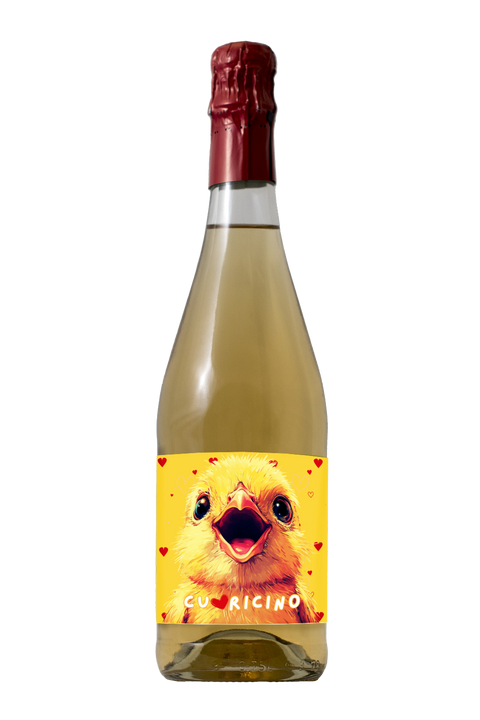
A valid alternative to alcohol-free wine is represented by drinks similar to wine, but which are not strictly wine , such as our Cuoricino.
It's not a wine, but a fresh, sparkling grape juice, ideal for those who want to toast to life, health, and their animal friends with a lively, thirst-quenching drink that's very similar to wine but without the alcohol.
Cuoricino is a 100% natural, non-alcoholic and vegan friendly drink, without added sugars, sulphites or chemical preservatives, made naturally and exclusively with fresh grapes.
It is produced by a family-run Italian company that operates ethically and sustainably, with full respect for nature and all its creatures.
To the eye, it has a lively straw yellow color and a fine and persistent perlage.
On the nose, it is perfumed with pleasant fruity and floral hints.
In the mouth, it is sweet, fresh, lively, vivacious, delicate and pleasant.
Fans call it "the non-wine wine."
Cuoricino è is suitable for adults and children, ideal for everyday consumption, for celebrations, for making cocktails, to accompany desserts and in any case where you do not want to consume alcohol.

Conclusion
Alcohol-free wine represents a conscious choice for those who want to enjoy the taste of wine without the effects of alcohol. With a growing variety of options available and a continuous improvement in the sensory profile, it's easier than ever to find an alcohol-free wine that suits your tastes. Whether for an elegant dinner or a simple toast, alcohol-free wine offers a refined and healthy alternative. The future of alcohol-free wine looks promising, and with greater promotion and awareness, it could become the dominant trend in the coming years.
Where to buy vegan grape juice?
Find vegan grape juices on InVinoVegan.com , the first online sales site dedicated to ethical and sustainable wines. The benefits of purchasing from InVinoVegan are:
- Free Shipping: For orders over €99 (Italy only)
- Fast Deliveries: 48-72 hours
- No minimum order
- Sustainable, zero-impact shipping
- Donations: 4% of every purchase donated to animal sanctuaries
Did you like this article?
Enter your email below to discover the world of ethical and sustainable wines. We promise we won't spam you . You'll receive a maximum of one email per week, and you can always unsubscribe with one simple click.