Vegan Wine: Certification Yes or No?
In recent years, the consumption of vegan products has exploded, and wine is no exception. But what exactly does " vegan wine " mean, and why is certification important? Unlike organic wine, there is no ministerial regulation for vegan wine that dictates precise rules for producers and protects the end consumer.
What is Vegan Wine?
Vegan wine is produced without the use of animal ingredients , either in the vineyard or in the cellar. Animal ingredients commonly used in conventional wines include casein, albumin, isinglass, bone glue, gelatin, and ox blood. Instead, vegan winemakers use natural clays, algae, and vegetable proteins from potatoes and peas as more refined, animal-free alternatives.
The Importance of Certification
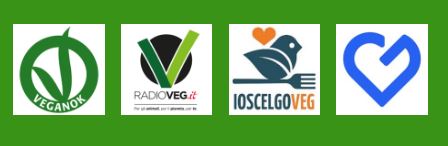
Vegan wine producers can choose between self-certification , which means they guarantee under their own responsibility that they do not use animal ingredients and derivatives, or request certification from third-party bodies such as VeganOK, Icea, Bioagricert, Qualità Vegana, CCPB, Vegan Society, just to name a few of the best known at national and European level.
But what's the difference between self-certification and certification? According to some knowledgeable consumers, certification is what distinguishes serious wineries from those who " just sing and play " to themselves.
Companies that opt for a "do-it-yourself" approach often overlook essential aspects, focusing solely on the wine and forgetting that the bottle and packaging must also reflect these same values. From the inks used to print the label, to the glue used to attach it to the bottle, from the capsule protecting the cork, to the carton that delivers the wine to the end customer, it's essential that no animal ingredients or derivatives are used. That's why the "V" seal is so important!
Types of Certifications
VeganOK
VeganOK is one of the most recognized vegan certification brands in Italy and Europe. This certification not only guarantees that the product is free of animal-derived ingredients, but also ensures that no animal testing was conducted during production. VeganOK is highly regarded for its transparency and the ease with which manufacturers can obtain certification.
Icea
ICEA (Institute for Ethical and Environmental Certification) is a certification body that offers a wide range of certifications, including vegan certification. ICEA guarantees that certified products are free of animal-derived ingredients and meet rigorous environmental sustainability standards. This certification is particularly appreciated for its rigor and environmental focus.
Bioagricert
Bioagricert is a certification body that focuses primarily on organic products, but also offers vegan certification. This certification ensures that the wine is produced without the use of animal-derived ingredients and meets high quality and sustainability standards. Bioagricert is internationally recognized and guarantees a high level of consumer trust.
Vegan Quality
Vegan Quality is a certification mark that guarantees that products are completely free of animal-derived ingredients. This certification focuses particularly on transparency and traceability, ensuring that every stage of production complies with vegan standards. It's a popular choice among manufacturers looking to demonstrate their commitment to strict vegan ethics.
CCPB
CCPB (Consortium for the Control of Organic Products) is a certification body that offers vegan certification in addition to its organic certifications. CCPB guarantees that certified products are free of animal-derived ingredients and meet rigorous environmental sustainability standards. This certification is particularly appreciated for its rigor and environmental focus.
Vegan Society
The Vegan Society is one of the oldest and most respected vegan organizations in the world. Their certification guarantees that their products are completely free of animal ingredients and have not been tested on animals. The Vegan Society's certification is internationally recognized and offers a high level of trust among vegan consumers.
The Pros of Certification
Transparency and Trust: Certification offers consumers a guarantee of transparency and trust. Knowing that a wine is certified vegan can reassure consumers that they are purchasing a product that respects their ethical values.
Marketing and Visibility: Having a certification "stamp" can increase a product's visibility on the market. Vegan and vegetarian consumers are always looking for certified products that respect their lifestyle.
Competitiveness: In an increasingly competitive market, having a vegan certification can differentiate your product from others and attract a growing niche market.
The Cons of Certification
Costs: Obtaining certification can be expensive. Certification costs can include registration fees, inspections, and annual renewals.
Bureaucracy: The certification process can be lengthy and complex. It requires time and resources that could be invested in other areas of the business.
Self-certification: Some producers choose to self-certify their wines as vegan without going through a certification body. This may be sufficient for some consumers, but it may not have the same impact as an official certification.
Conclusion
The decision whether or not to certify a wine as vegan depends on various factors, including cost, time, and available resources. However, certification can offer significant benefits in terms of transparency, consumer trust, and market competitiveness . Ultimately, the choice is up to the producers, but it's clear that vegan wine certification represents added value for many consumers.
Where to Buy Vegan and Certified Wines
Find the best selection of certified Italian and vegan wines on InVinoVegan.com , the first online sales site dedicated to ethical and sustainable wines. The benefits of purchasing from InVinoVegan are:
- Free Shipping: For orders over €99
- Fast Deliveries: 48-72 hours
- No minimum order
- Sustainable, zero-impact shipping
- Donations: 4% of every purchase donated to animal sanctuaries
Did you like this article?
Enter your email below to discover the world of ethical and sustainable wines. We promise we won't spam you . You'll receive a maximum of one email per week, and you can always unsubscribe with one simple click.