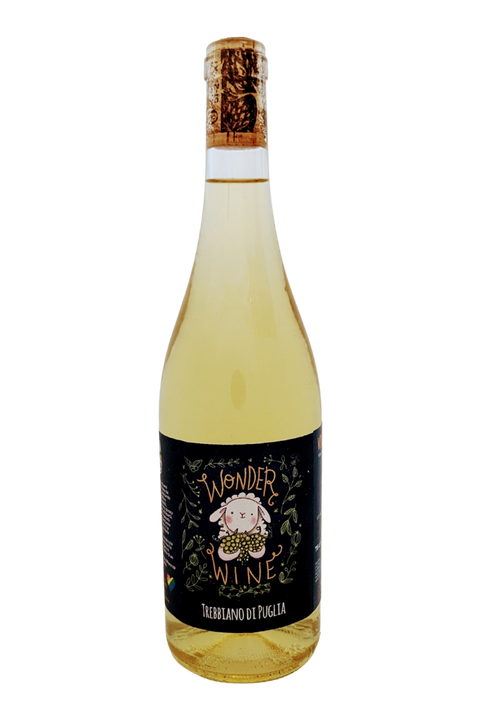
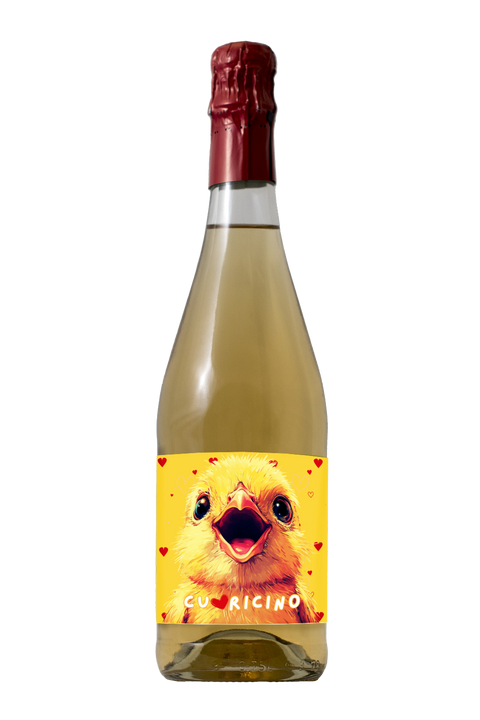
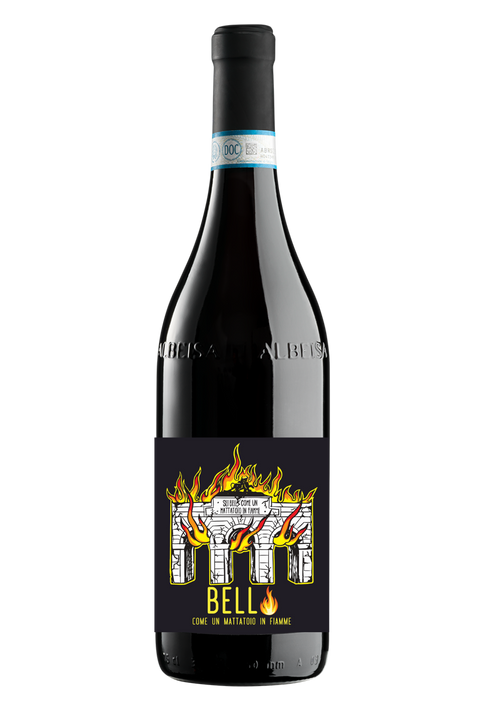
Tasting vegan wine is not only a sensory experience, but also an ethical and sustainable journey . Visual analysis is the first essential step in the tasting process, offering a glimpse into the characteristics and quality of the wine before even tasting it. Let's see how visual analysis applies (also) to vegan wines .
Visual Examination
Visual examination is the first stage of tasting and provides valuable insights into the wine, its character, and its evolution. The main parameters of visual examination are clarity, color, consistency, and effervescence (for sparkling wines).
Observation of Clarity
With the glass at eye level, evaluate clarity, or the absence of suspended particles. For red wines rich in pigments, it may be helpful to hold the glass toward light sources. The clarity categories are:
- Veiled
- Fairly clear
- Clear
- Crystalline
- Brilliant (for sparkling wines and champagne)
A wine should be as clear as possible, ideally crystalline . However, some wines may have sediment on the bottom, such as those aged for a long time in the bottle or unfiltered. In these cases, a slight cloudiness is acceptable, while cloudiness or opalescence is absolutely not.
Color Observation
By tilting the glass at 45 degrees on a white surface, you can observe nuances and reflections. Color is a key indicator of the wine's characteristics and its evolution. The hues vary from:
- Greenish yellow, straw yellow, golden and amber for white wines
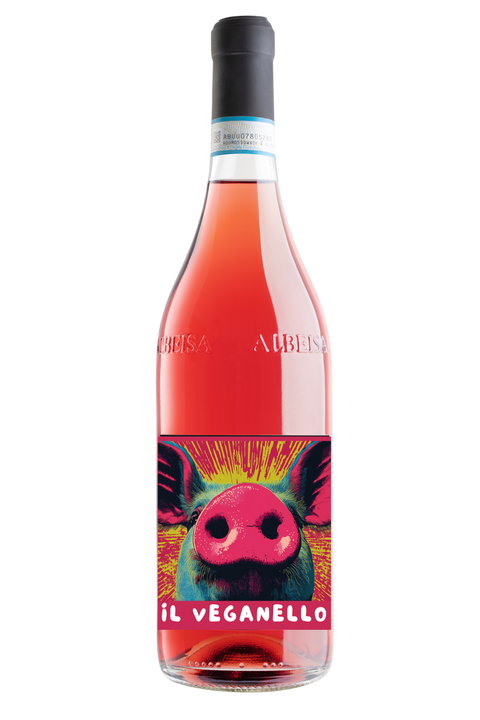
- Pale pink, cherry red and claret for rosé wines
- Purple, ruby, garnet and orange red for red wines
The color is determined by polyphenolic substances and depends on various factors such as the grape variety, the maceration process, the soil and climate environment.
Observing Consistency
By swirling the glass, you can observe the arches and tears formed by the wine. The consistency is influenced by alcohol, polyols, tannins, and sugars. The categories of consistency include:
- Fluid
- Not very consistent
- Moderately consistent
- Consistent
- Viscous
The consistency can be assessed already during pouring and swirling of the glass.
Observing the Perlage (for Sparkling Wines)
Without ever swirling the glass (to avoid losing carbon dioxide), raise it to eye level to assess the perlage, observing the texture, number, and persistence of the bubbles. Effervescence contributes to the wine's fresh flavor and stimulates the taste buds, predisposing them to better perceive flavors.
Conclusion
A visual analysis of vegan wine offers a first glimpse of its unique qualities, combining aesthetics, quality, and sustainability. Each glass tells a story of respect for the environment and animals, inviting us to explore further with all our senses. Next time you find yourself in front of a vegan wine, take a moment to appreciate its visual beauty before immersing yourself in its aromas and flavors.
Where to buy the best vegan and sustainable wines?
Find the best selection of Italian, organic and vegan wines on InVinoVegan.com , the first online sales site dedicated to ethical and sustainable wines. The benefits of purchasing from InVinoVegan are:
- Free Shipping: For orders over €99 (Italy only)
- Fast Deliveries: 48-72 hours
- No minimum order
- Sustainable, zero-impact shipping
- Donations: 4% of every purchase donated to causes chosen by customers
Did you like this article?
Enter your email below to discover the world of ethical and sustainable wines. We promise we won't spam you . You'll receive a maximum of one email per week, and you can always unsubscribe with one simple click.