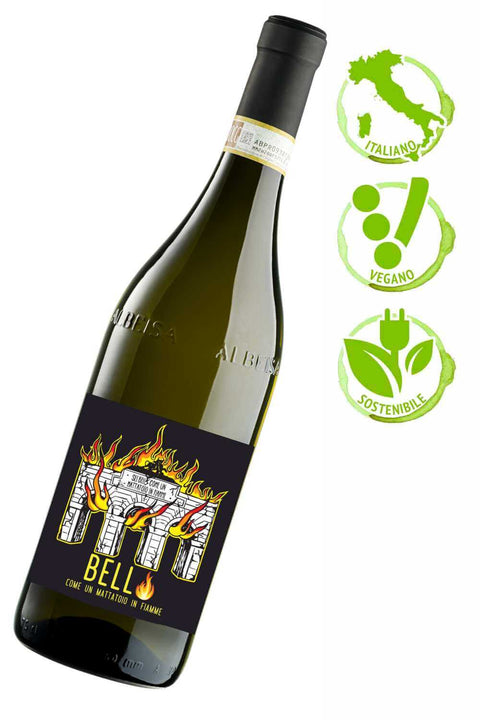
Why is Vegan Wine Gluten-Free?
In the world of health-conscious consumers, questions often arise about the relationship between wine and gluten-free status . Let's explore together whether wine (whether vegan or conventional) can be considered "gluten-free" and what the implications are for those following a gluten-free diet.
Understanding Vegan Wine
Unlike conventional wines, vegan wine is produced without the use of animal-derived ingredients during the winemaking process, such as gelatin, gelatine, bone glue, casein, or egg albumin, to name a few. Vegan wines use alternatives to animal derivatives, such as natural clays, algae, or plant-based proteins.
Gluten in the Winemaking Process
Gluten is a protein found in grains such as wheat, barley, and rye . Generally, the winemaking process does not involve these ingredients , making the wine, by its very nature, gluten-free. However, it is important to consider even the most remote possibility of cross-contamination during the production process.
Wines and the Gluten-Free Diet
White, red, rosé, and sparkling wines are naturally gluten-free and can safely be included in the diet of a person with celiac disease.
However, red wines stored and aged in wooden barrels could cause some problems. The barrels, which are typically sealed with tallow or paraffin wax, could also be treated with a wheat paste that contains gluten .
Furthermore, after fermentation, conventional wine is often processed in the cellar to remove particles that can cause cloudiness and haze, using bentonite and fining agents such as the aforementioned egg white, casein, gelatin, and other so-called "fining agents" of animal origin.
In vegan wines, as previously highlighted, no treatments are carried out or, if they are necessary, vegetable proteins such as those from potatoes and peas, algae or clay are used instead, while wheat proteins containing gluten are not used.
We can therefore say that (with rare exceptions) vegan wine is a gluten-free drink .
Certifications and Safety
Many vegan wine producers are working to ensure that their products are gluten-free by obtaining specific certifications on a voluntary basis (as there is currently no legal requirement to do so), thus offering an additional level of safety for consumers with celiac disease or gluten sensitivity.
Conclusion
In short, vegan wine is generally considered gluten free, but it is always advisable to check the labels or (if in doubt) contact the manufacturer directly to confirm the total absence of gluten.
As demand for both vegan and gluten-free products increases, manufacturers are becoming increasingly transparent and aware of these needs.
The world of wine is changing and innovating significantly, with an ever-increasing focus on consumer health. This evolution not only responds to current needs, but also anticipates future trends, promoting increasingly informed and responsible consumption.
Where to buy the best vegan and gluten-free wines?
Find the best selection of Italian, organic, vegan and gluten-free wines on InVinoVegan.com , the first online sales site dedicated to ethical and sustainable wines. The benefits of purchasing from InVinoVegan are:
- Free Shipping: For orders over €99 (Italy only)
- Fast Deliveries: 48-72 hours
- No minimum order
- Sustainable, zero-impact shipping
- Donations: 4% of every purchase donated to animal sanctuaries
Did you like this article?
Enter your email below to discover the world of ethical and sustainable wines. We promise we won't spam you . You'll receive a maximum of one email per week, and you can always unsubscribe with one simple click.